Technical Guide
Take the guesswork out of wiring and cabling with IEWC’s Technical Guide, your trusted companion for all things technical. From beginner-friendly tutorials to advanced material specifications, this page is packed with resources that simplify complex projects. Dive into practical how-to guides, explore industry compliance standards, and uncover troubleshooting tips to overcome challenges with ease. Whether you’re in the electrical, automotive, or industrial sector, our comprehensive library of resources ensures that you’re always equipped with the knowledge to succeed. Make smarter, more informed decisions and ensure the highest quality in your work with IEWC’s expert-backed content.



Wire & Cable Overview
Explore essential insights into wire and cable types, applications, and specifications to ensure the perfect fit for your projects.
Stranding Classes
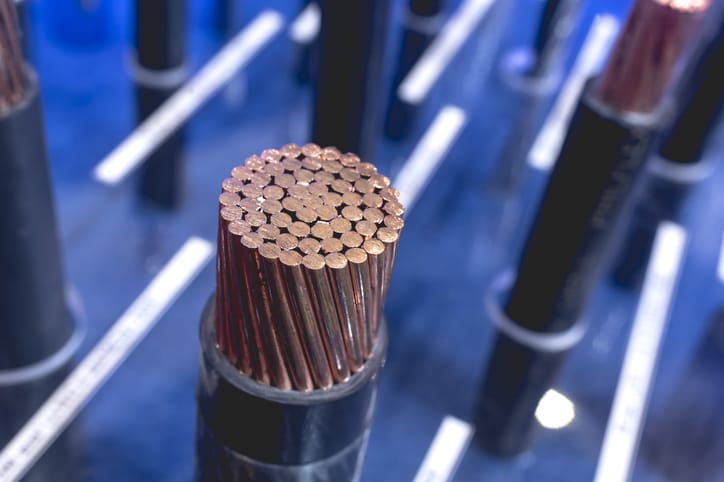
Strand construction in wire and cable is crucial because it directly affects flexibility, durability, and electrical performance, impacting the overall reliability and efficiency of the cable in various applications. Learn More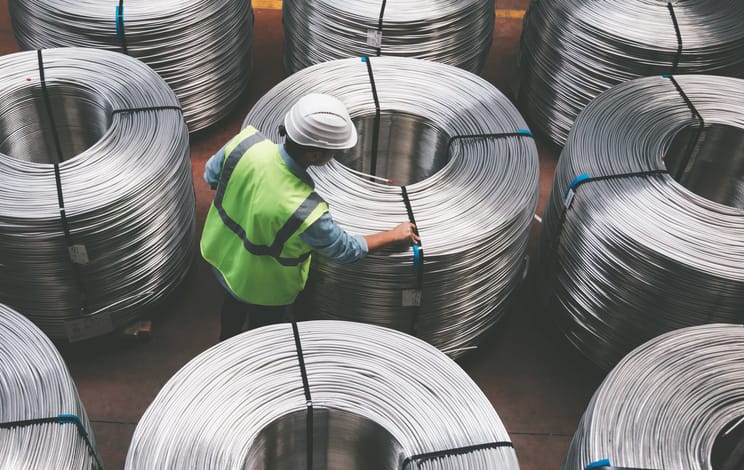
Low Smoke Zero Halogen Compounds
Low Smoke Zero Halogen refers to the behavior of chemical compounds when combusted - specifically the quantity of smoke generated and the toxicity of the emissions.Learn More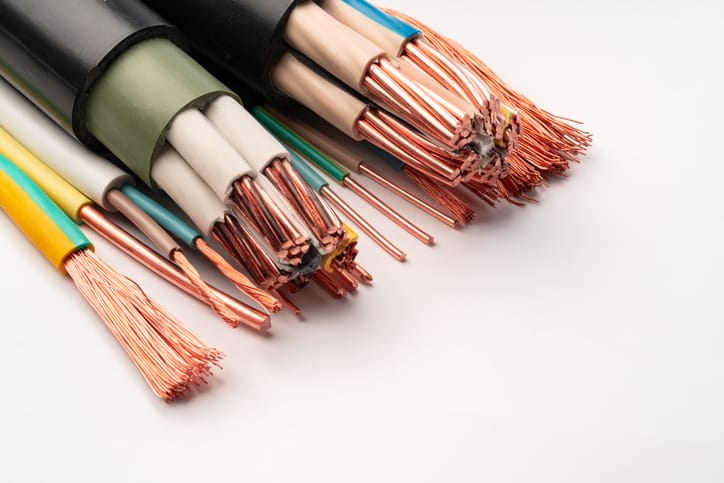
Basic Ampacity Values
Ampacity, or current carrying capacity, is defined as the current a conductor can carry before its temperature rise exceeds a permissible value.Learn More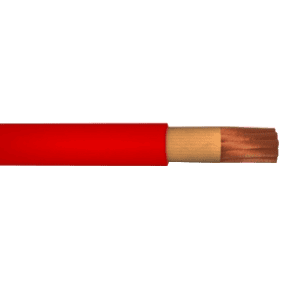
Welding Cable Ampacities
Welding Cables have specific ampacity, or current carrying capacity, values.Learn More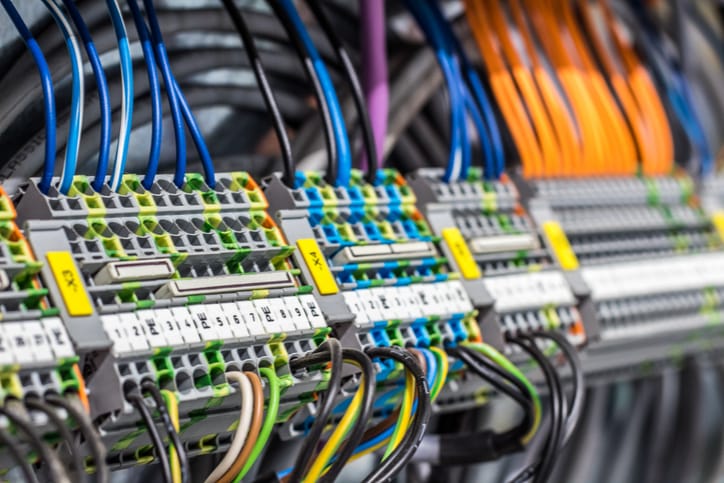
Hook Up Wire and Lead Wire
Hook up wire and lead wire are typically single conductor wires insulated with plastic or rubber. These are the wires you most commonly see in electronic equipment—in switchboards, panels, and circuitry in a variety of household and even industrial applications.Learn More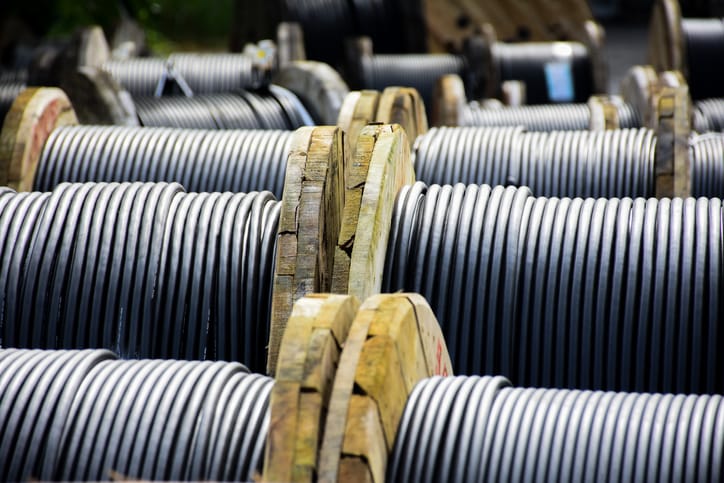
UL 1015 Hook-Up Wire Guide
Explore the ins and outs of UL 1015 hook-up wire, gaining a deeper understanding of its uses and advantages. Read More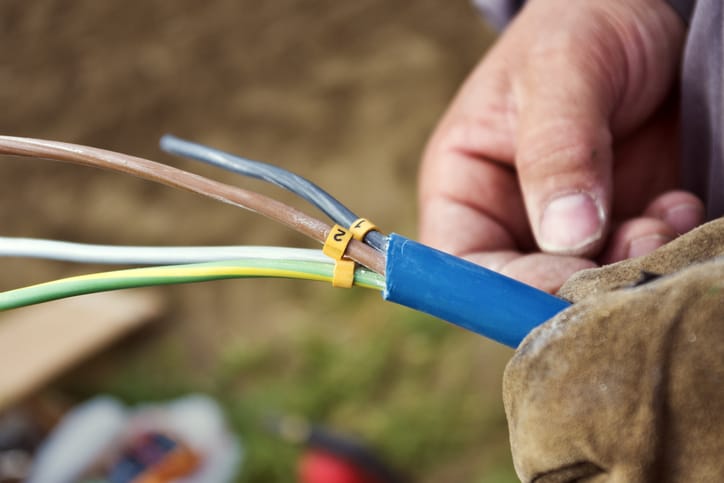
Cable Installation Guidelines
Care must be taken with any flexing application during the installation of the cable. Learn More
Test Procedures for Flame Retardancy
Flame Retardancy in a cable describes the ability of the materials to cease burning once the source of heat is removed. Several tests have been formulated to measure this property.Learn More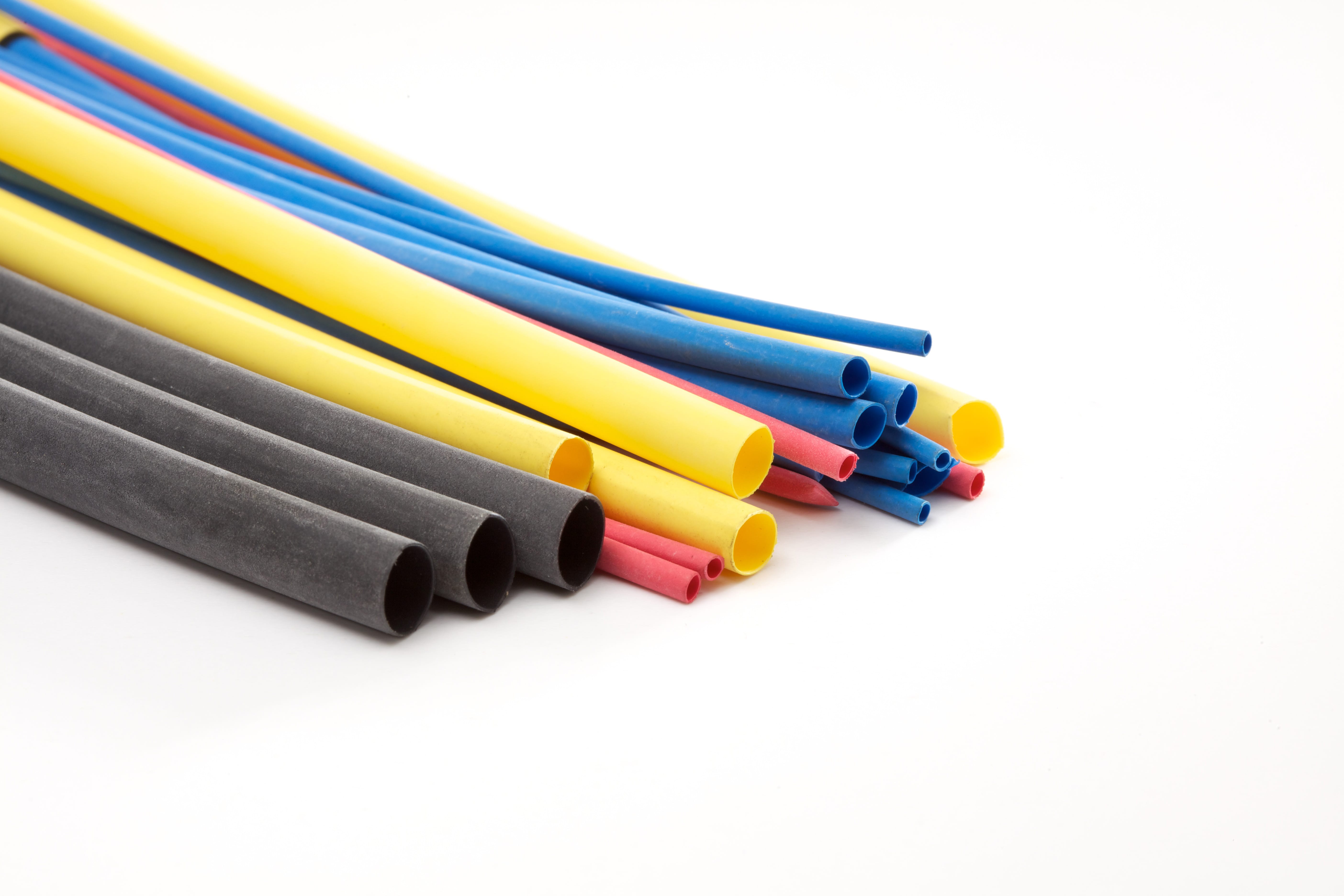
Insulation Durometer Hardness
When selecting insulation materials for a variety of applications, durometer hardness plays a crucial role in determining the material's suitability.Read More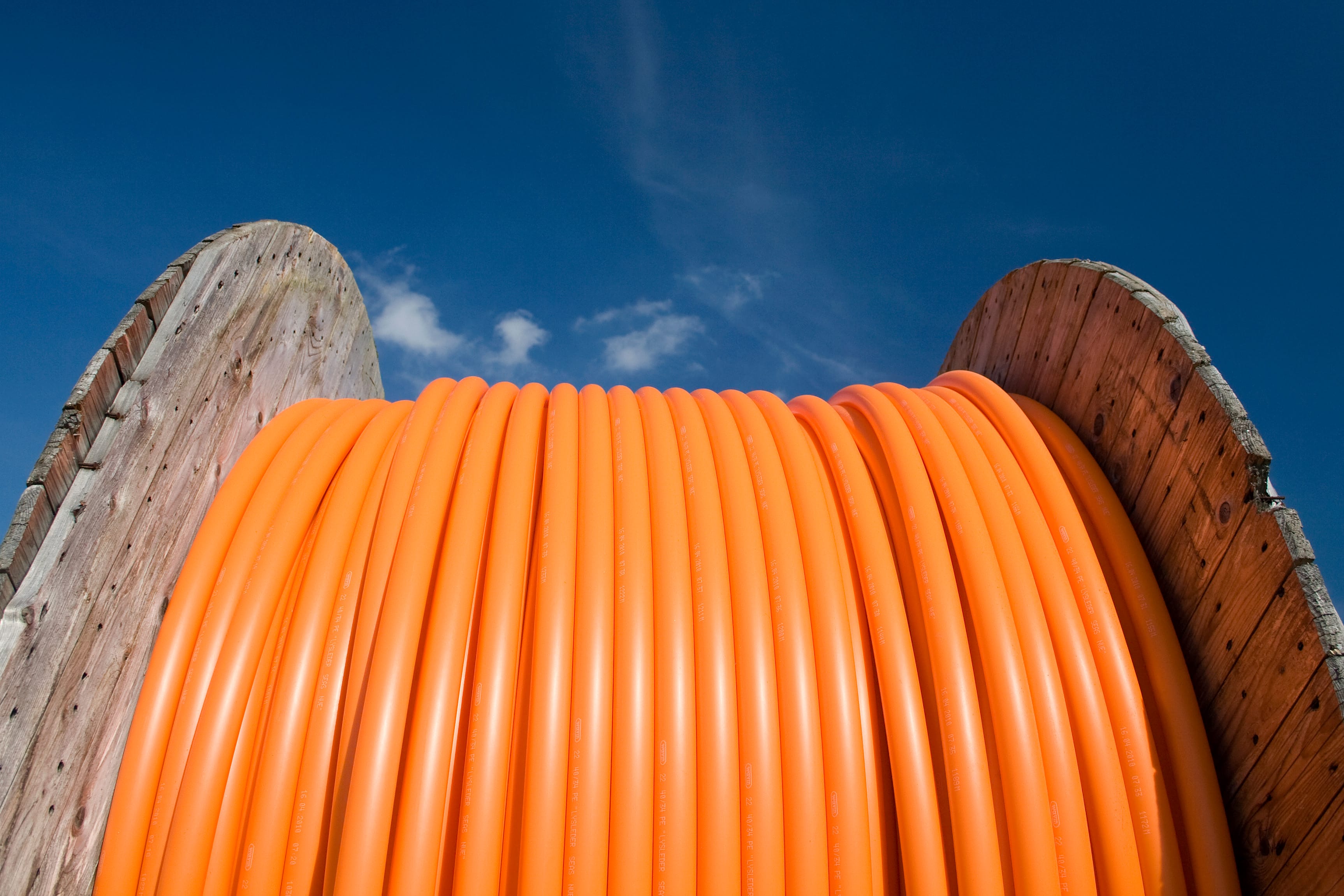
Pulling Tensions
Pulling tension is a crucial factor when installing cables, especially in large-scale electrical systems or long cable runs.Learn More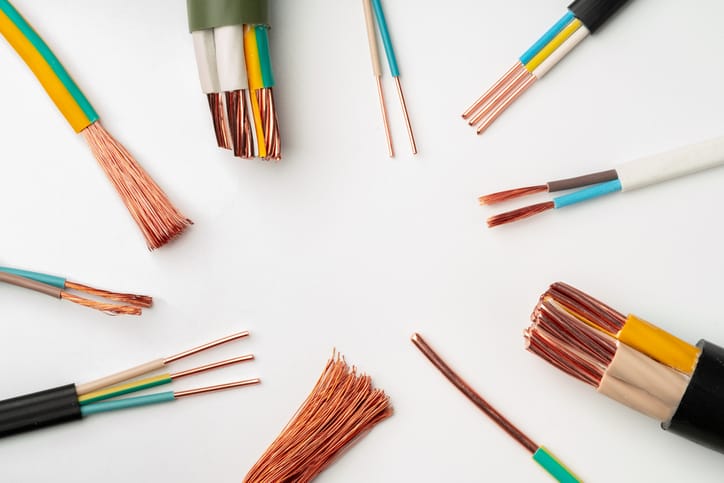
CSA & UL Style Comparison Guide
In the world of electrical applications, choosing the right wire is essential for a seamless and efficient connection. Learn More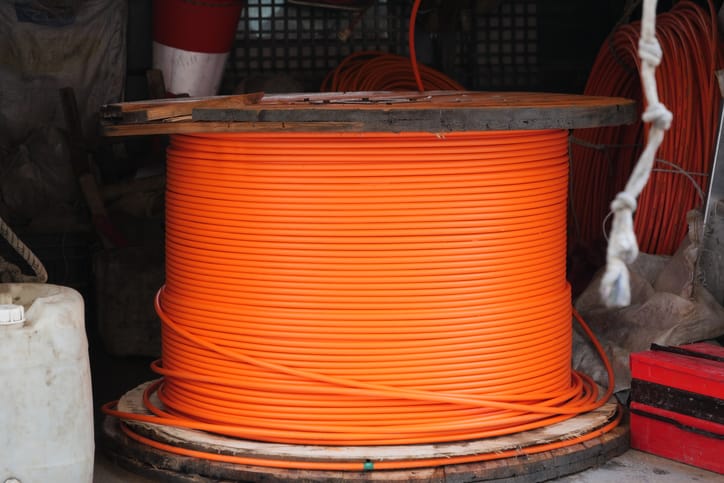
High Voltage Wire & Cable Guide
High-voltage or HV wire and cable are necessary for many industrial applications that rely on dependable high-power transmission.Read More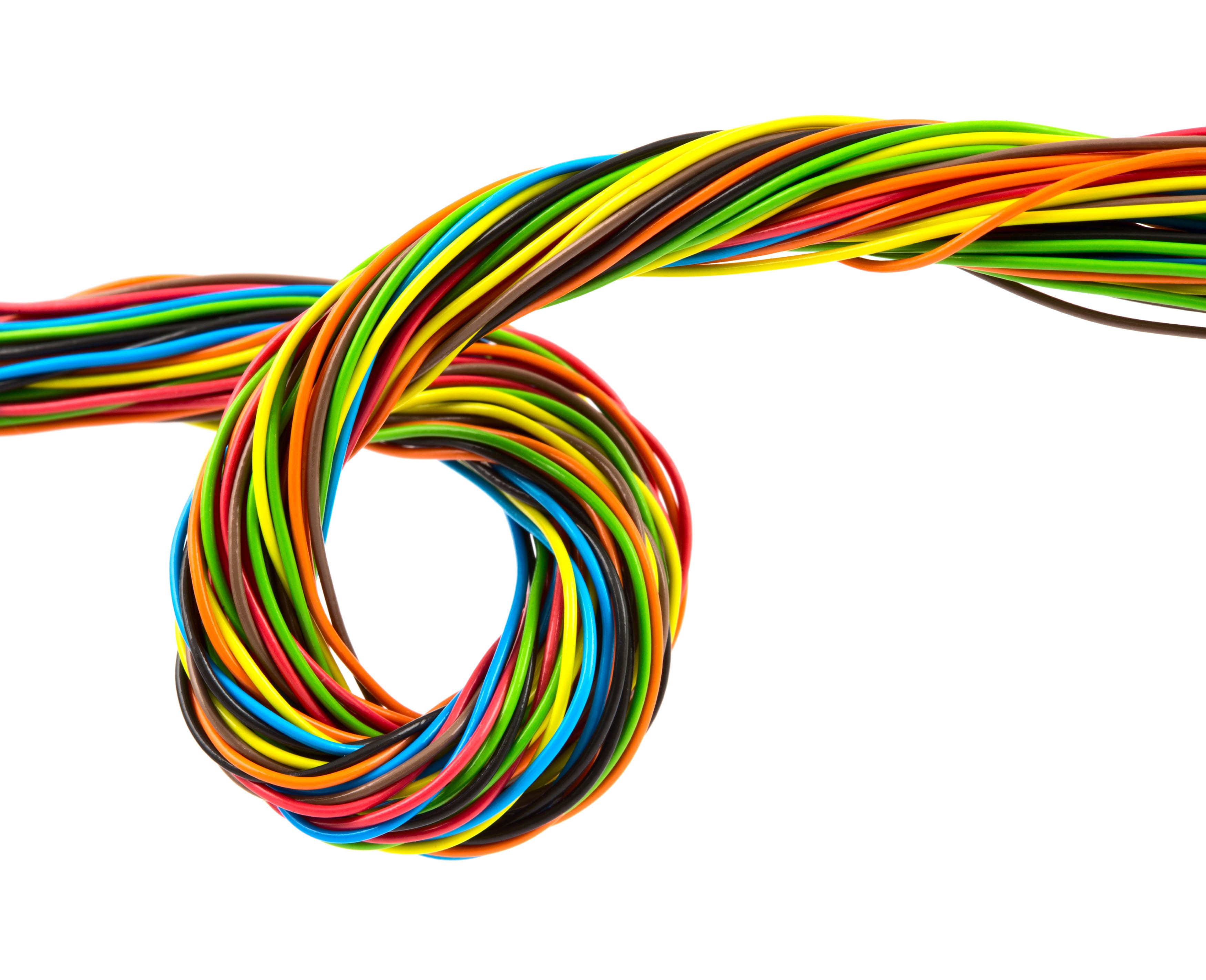
Wire Insulation Guide: Types & Applications
Insulation is a critical component of any wire conducting an electrical current . The right type of wire insulation is determined by numerous factors, including stability, required life, dielectric properties, temperature and moisture resistance, mechanical strength, and flexibility.Learn More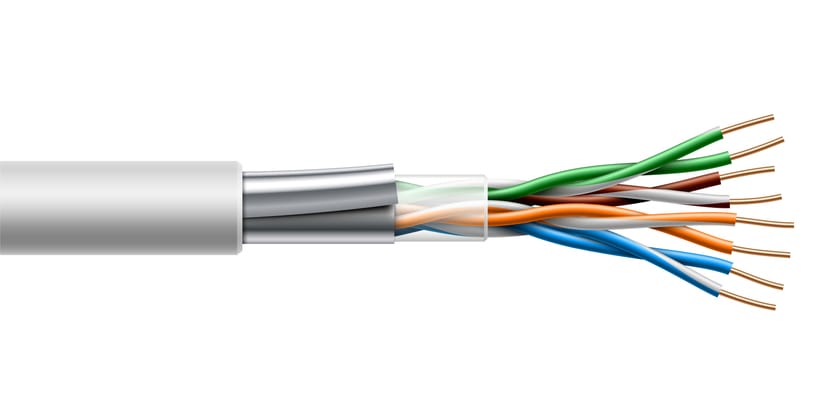
Twisted Component Cable Constructions
Cables composed of twisted components generally have better flexibility characteristics than parallel conductor cables.Learn More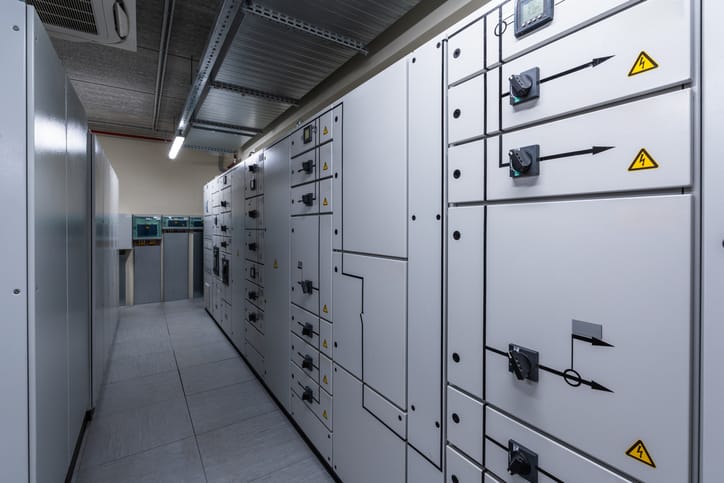
Switchgear Cable Solutions for Safe Electrical Circuit Operations
Whether you work in power distribution or building systems, you probably know that switchgear plays a key role in keeping your electrical circuits running safely and reliably.Learn More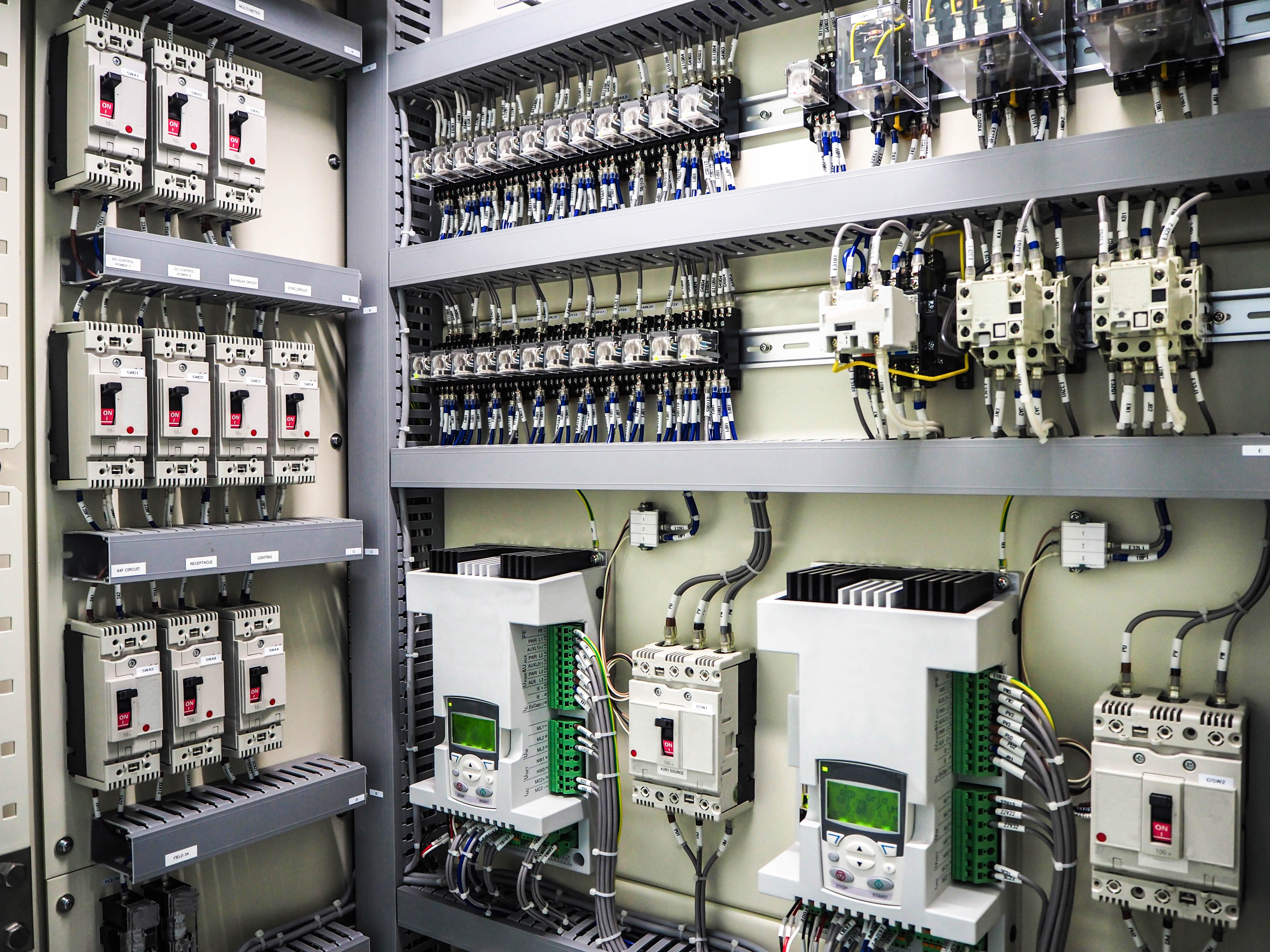
Wiring Distribution Panels: Effective Power Distribution Across Circuits
Distribution panels, breaker panels, load center, and/or distribution boards—any name you call them, they're a key part of every electrical system.Learn More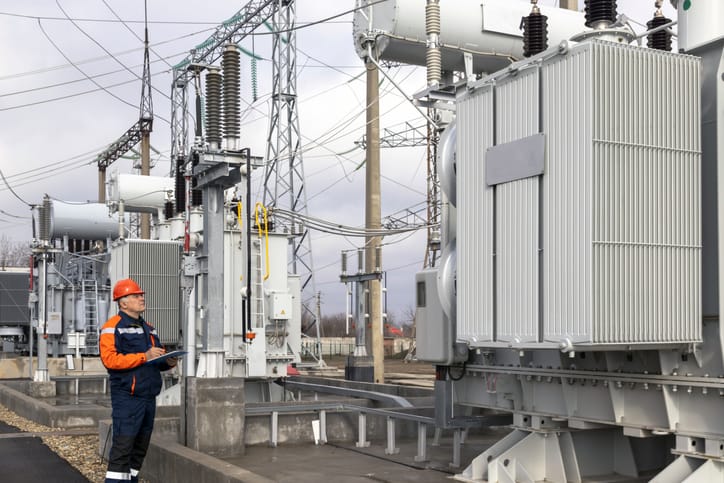
Transformer Wiring: Choosing the Right Cable for Voltage Management
Electrical distribution is dependent on transformers. They allow for an increase or decrease to help ensure that power moves safely and effectively through grids, industrial systems, and other operations.Learn More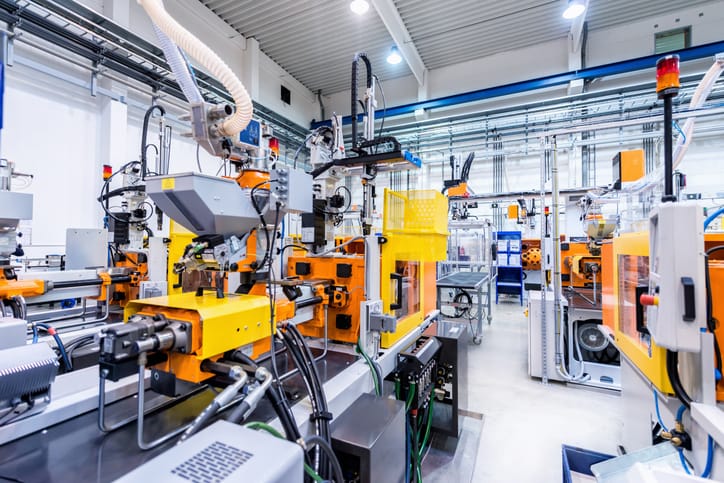
Motor and Servo Cable Basics for Modern Motion Systems
Motor and servo cables are crucial components in industrial automation. Motor cables supply power, while servo cables also carry low-voltage feedback signals; together, they help motion systems perform as expected.Learn More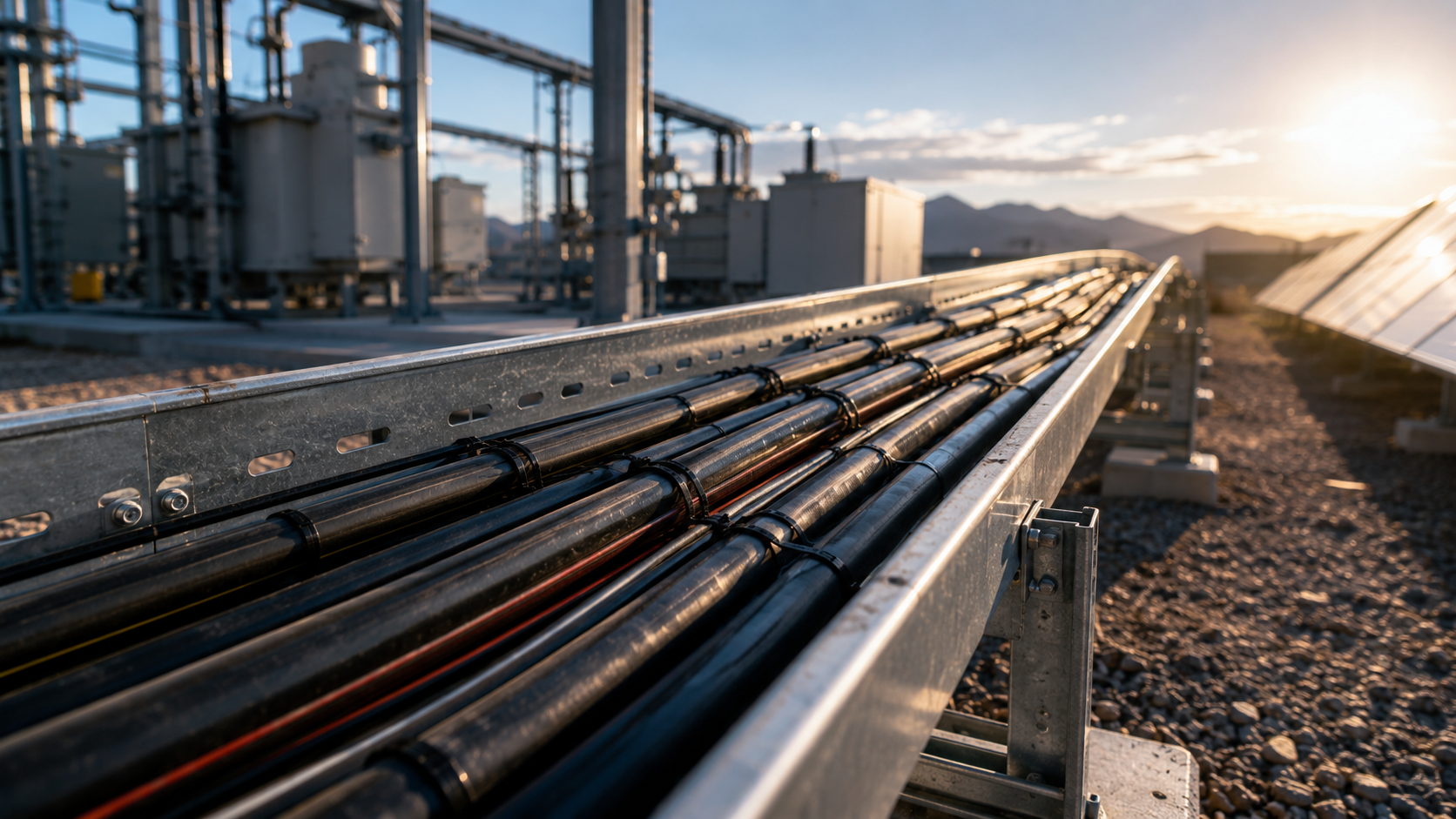
Cable Selection for Extreme Temperature & Outdoor Applications
In extreme temperatures, selecting the right cable for the application is crucial. For outdoor industrial installations like a wind farm, a water treatment plant, or a mining operation, the temperature range can span 100+ degrees between seasonal extremes.Learn MoreThis vs That
Compare products, materials, and solutions side-by-side to make informed decisions for your specific needs.
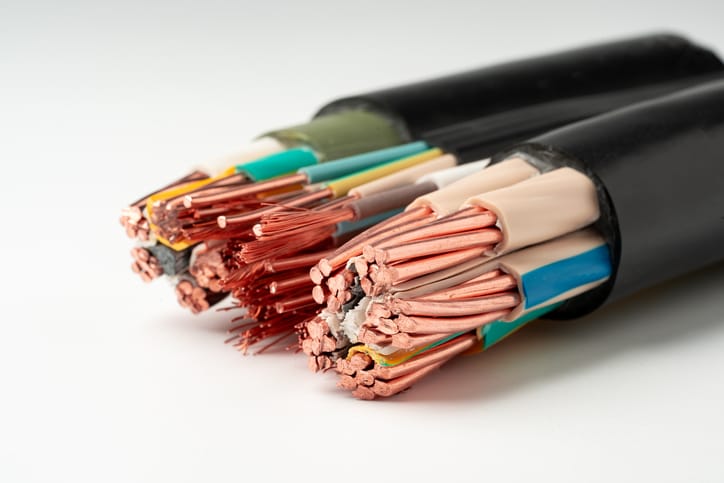
SJOOW vs. SOOW Cable
If you’re looking for multiconductor cords , chances are you’re trying to decide between SJOOW vs. SOOW cords. Both common conductor cables are used in electrical applications, are durable, and ideal for many projects.Learn More
Building Wire Guide - THHN vs. Other
In the world of building wire, there are several common choices available that at first appear quite similar. Learn More
Low Voltage vs. Medium Voltage Cables
Selecting the right low voltage cable or medium voltage cable is crucial for ensuring efficiency, safety, and compliance in electrical systems. The voltage rating determines the cable’s insulation, construction, and application.Learn More
When to Use Flexible vs Solid Industrial Control Wire
High-flex control cable is the best solution for certain installations. Without the right cable selection, a conveyor line can suddenly go down; a robotic arm can fail mid-cycle.Learn MoreHow To
Find step-by-step guides and expert tips to help you tackle wiring, cabling, and installation projects with confidence.
How to Choose the Right Wire or Cable
In selecting a wire or cable for an application, several factors should be considered. Learn More
Selecting a Conductor
Even in the design of a simple single insulated wire many factors must be considered, including physical properties of the conductorLearn MoreJacket Selection
The jacket or sheath physically protects the internal components of a cable, improves the cables appearance, provides flame, mechanical, thermal, chemical and environmental protection to the conductors and components.Learn More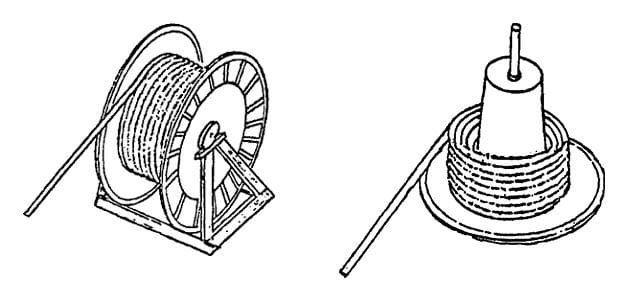
DeReeling Procedures
In order that cables may run straight, special care should be taken not to twist the cable during handling.Learn More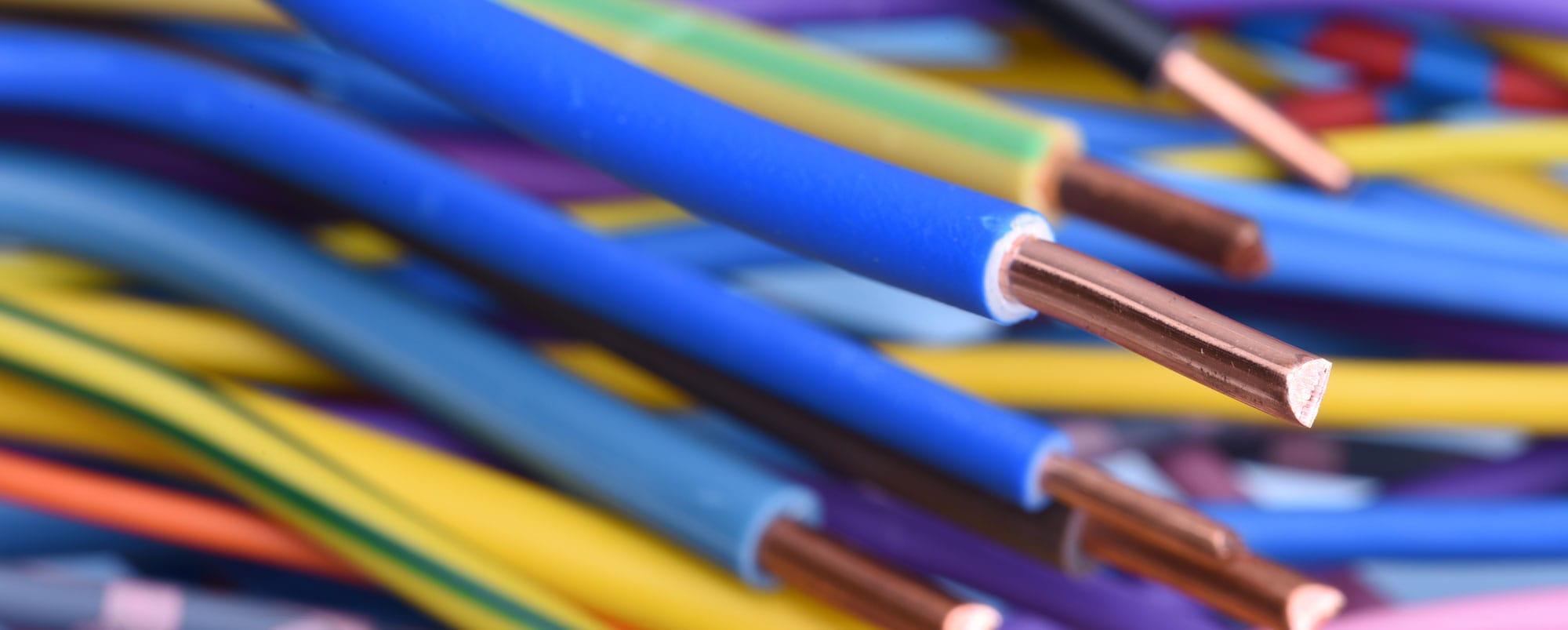
VFD Cable Selection Guide
There’s nothing quite as important as motor performance in industrial automation. That’s why cable selection is crucial. The right cable choice can make or break the outcome, especially for Variable Frequency Drives (VFDs).Learn More
Choosing Turbine Control, Motor, & Instrumentation Cables
Turbine control systems and other demanding industrial environments require reliability at all times. Learn MoreWhat is?
Discover clear explanations and definitions for key concepts, materials, and technologies in the wiring and cabling industry.
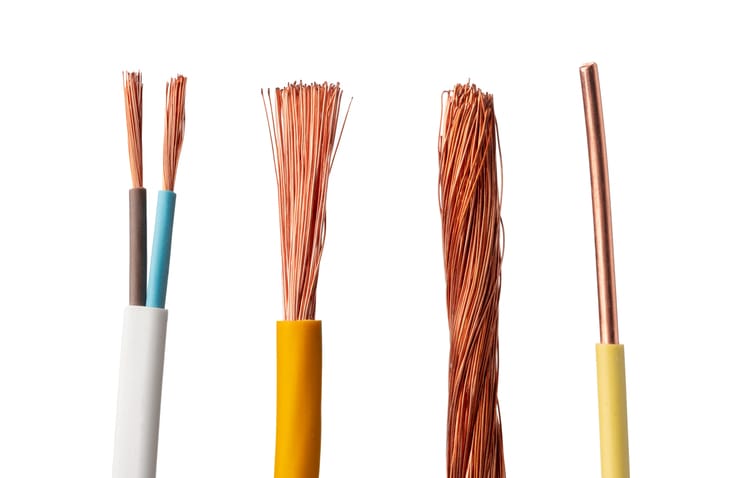
What is a Wire?
Wire refers to a single, usually cylindrical, strand or rod of metal which is used to carry electricity and telecommunications signals. Learn More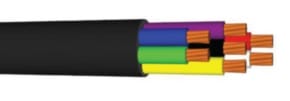
Trailer Cable
Trailer cable wires support and supply power for trailer lights and brakes—a crucial job when moving heavy equipment.Learn More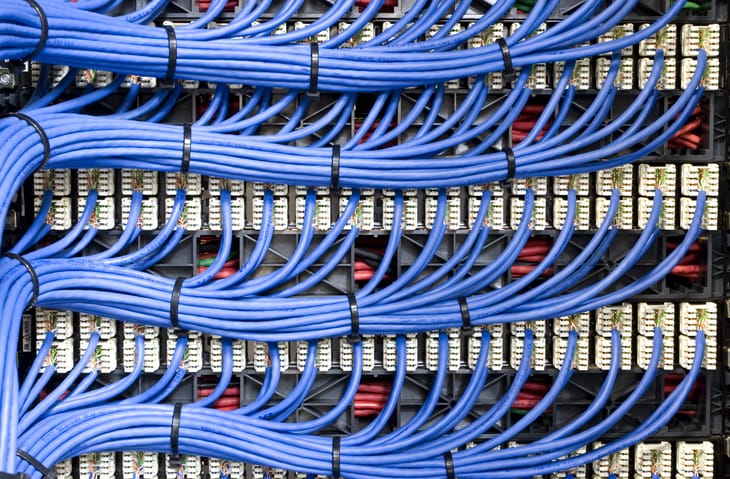
Communication Cable
Communication cable and telecom wire offer high-speed and high-performance connections for many industries.Learn MoreStandards & Specifications
Explore essential insights into wire and cable types, applications, and specifications to ensure the perfect fit for your projects.
Industry Organizations & Standards
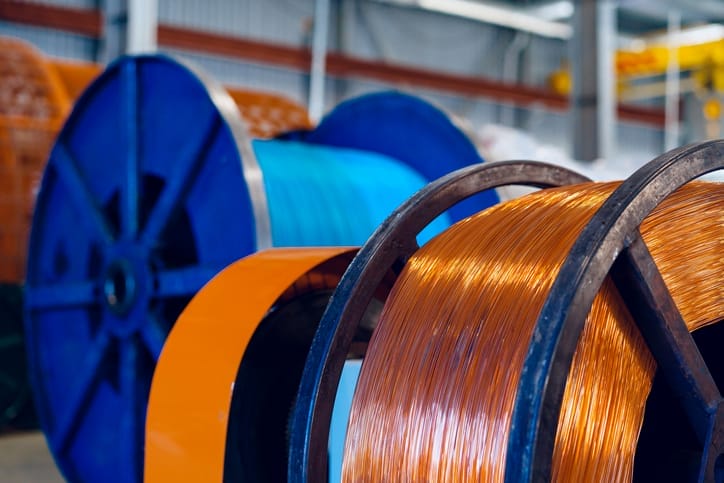
Understanding industry organizations and standards is essential for anyone involved in manufacturing, installation, or regulatory compliance.Read MoreCharts
Access comprehensive charts and reference tables to simplify your wire and cable selection and planning process.
Metric Conversion Table
In selecting a wire or cable for an application, several factors should be considered including size and conversions. Learn MorePopular Types
Explore the most commonly used wire and cable types, their features, and ideal applications for your projects.
Popular Insulation Types
Insulation is a critical component of any wire conducting an electrical current . The right type of wire insulation is determined by numerous factors, including stability, required life, dielectric properties, temperature and moisture resistance, mechanical strength, and flexibility.Learn MoreIndustries
Discover tailored wire and cable solutions designed to meet the unique demands of various industries and applications.
Automotive Battery Cable Specifications
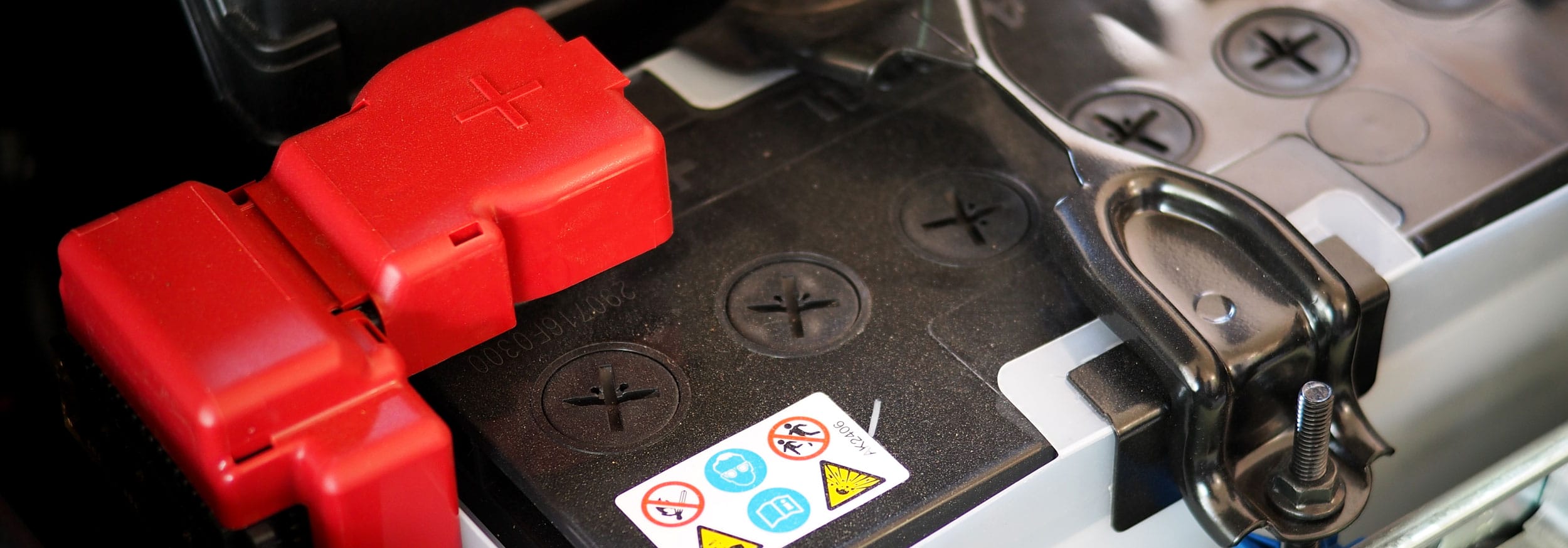
Some common questions arise regarding automotive battery cable specifications and the usage of cables in other applications.Read More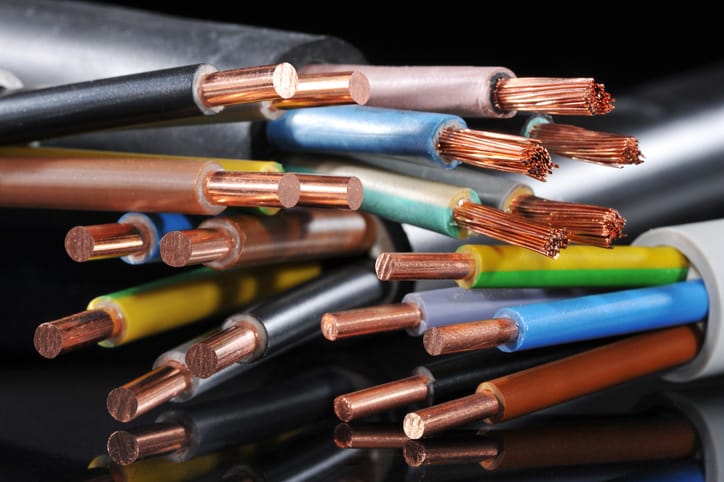
Automotive Primary Wire
Automotive primary wire is a type of electrical wire that is used in automotive applications. Read More
Automotive Cable Protection
Explore automotive cable protection types, including sleeving, tubing, and other shielding methods. Learn how to choose wire protection for temperature, abrasion, and EMI.Read More